

Carrie Butler, PhD, F(ACHI) (she/her/hers)
Asociate Laboratory Director & Assistant Professor
UCLA
Los Angeles, CA
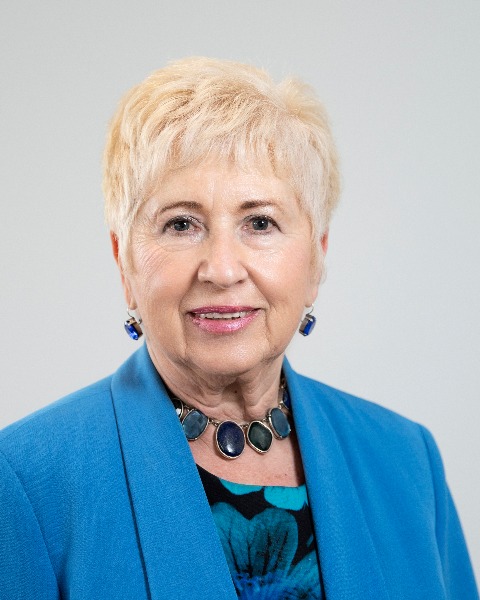
Adriana Zeevi, PhD
director histocompatibility lab
University of Pittsburgh Medical Center
PITTSBURGH, PA

Rebecca Sosa, PhD, F(ACHI)
UCLA Immunogenetics Center

Abeer Madbouly, PhD
Consultant
MHC Therapeutics Bioconsulting
Minneapolis, MN

Elaine Reed, PhD
UCLA
Sex influences both access to transplantation and post-transplant outcomes across multiple organ systems and cell therapies. This Women in Transplantation session will synthesize current evidence on disparities, highlight biological and sociocultural drivers, and discuss opportunities to promote equity in research and practice.
Studies in heart transplantation show that women face longer wait times and underutilization of mechanical circulatory support (Roopa Rao et al., 2025, Current Cardiology Reports). In kidney transplantation, women are more likely to serve as living donors yet less likely to receive transplants, with sensitization and immune differences contributing to inequity (Nautiyal et al., 2024, Front Nephrol). In liver transplantation, disparities persist: females experience lower access, and Hispanic women face worse outcomes and organ offers (Locke et al., JAMA Surg 2020; Shelton et al., Transplant Direct 2023; Sosa et al., Transplant Direct 2023). Lung transplantation demonstrates similar inequities, with women less likely to be listed, waiting longer, and undergoing transplant at lower rates (Saito et al., J Heart Lung Transplant 2021; Brown et al., Respir Res 2024). In hematopoietic stem cell transplantation (HSCT), donor–recipient sex mismatch influences alloimmune responses: male donors yield higher stem cell counts, but female recipients achieve superior survival (Kim et al., Transplantation 2016; Islam et al., ASTCT J 2021).
Beyond outcomes, women remain underrepresented in clinical trials and leadership roles. Integrating sex- and gender-based analyses (Mannon et al., 2022, Front Immunol) and addressing sociocultural barriers (Puoti et al., 2016, Biol Sex Differ) are critical.
Sex influences both access to transplantation and post-transplant outcomes across multiple organ systems and cell therapies. This Women in Transplantation session will synthesize current evidence on disparities, highlight biological and sociocultural drivers, and discuss opportunities to promote equity in research and practice.
Studies in heart transplantation show that women face longer wait times and underutilization of mechanical circulatory support (Roopa Rao et al., 2025, Current Cardiology Reports). In kidney transplantation, women are more likely to serve as living donors yet less likely to receive transplants, with sensitization and immune differences contributing to inequity (Nautiyal et al., 2024, Front Nephrol). In liver transplantation, disparities persist: females experience lower access, and Hispanic women face worse outcomes and organ offers (Locke et al., JAMA Surg 2020; Shelton et al., Transplant Direct 2023; Sosa et al., Transplant Direct 2023). Lung transplantation demonstrates similar inequities, with women less likely to be listed, waiting longer, and undergoing transplant at lower rates (Saito et al., J Heart Lung Transplant 2021; Brown et al., Respir Res 2024). In hematopoietic stem cell transplantation (HSCT), donor–recipient sex mismatch influences alloimmune responses: male donors yield higher stem cell counts, but female recipients achieve superior survival (Kim et al., Transplantation 2016; Islam et al., ASTCT J 2021).
Beyond outcomes, women remain underrepresented in clinical trials and leadership roles. Integrating sex- and gender-based analyses (Mannon et al., 2022, Front Immunol) and addressing sociocultural barriers (Puoti et al., 2016, Biol Sex Differ) are critical.